Effectiveness of Simulation-Based Learning on Intravenous (IV) Cannulation Skills among Nursing Students
Keywords:
Simulation-based learning, intravenous cannulation, IV practices, nursing students, clinical skills, nursing education, competencyAbstract
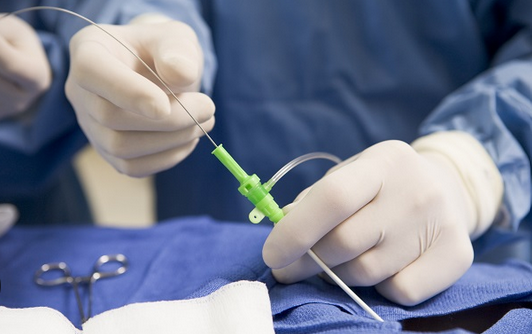
Background: Simulation-based learning provides nursing students with a safe and structured environment to develop clinical skills through demonstration, practice, and feedback. Intravenous (IV) cannulation is an essential nursing procedure that requires adequate theoretical knowledge and repeated hands-on practice to achieve competency. Limited clinical exposure and opportunities for supervised practice may contribute to deficiencies in students' IV cannulation skills.
Objective: To assess the effect of simulation-based learning on intravenous cannulation practices among nursing students.
Methods: A quasi-experimental one-group pre-test and post-test design was used among 40 BSN 7th-semester nursing students at Teaching Hospital Gujranwala. Participants were selected using simple random sampling. Data were collected from January to May 2026. A structured demographic questionnaire and a 15-item Intravenous (IV) Cannulation Skills Checklist were used to assess students' IV practices before and after the simulation-based learning intervention. Each checklist item was scored from 0 to 2, with a total possible score of 30. Descriptive statistics were used to summarize the data, while a paired-sample t-test was applied to compare pre-intervention and post-intervention IV practice scores. A p-value of <0.05 was considered statistically significant.
Results: Before the intervention, 37 (92.5%) participants demonstrated incompetent IV practices, while only 3 (7.5%) demonstrated competent practices. Following the simulation-based learning intervention, the proportion of participants demonstrating competent IV practices increased to 15 (37.5%), while 25 (62.5%) remained incompetent. The mean IV practice score increased from 1.0750 ± 0.26675 at pre-intervention to 1.3750 ± 0.49029 at post-intervention. However, the difference was not statistically significant (p = 0.171).
Conclusion: The simulation-based learning intervention demonstrated a descriptive improvement in IV cannulation practices among nursing students, with a notable increase in the proportion of students achieving competent practice. However, the improvement in mean scores was not statistically significant. Regular simulation sessions, repeated hands-on practice, clinical supervision, and competency-based assessment are recommended to further strengthen IV cannulation skills among nursing students.